
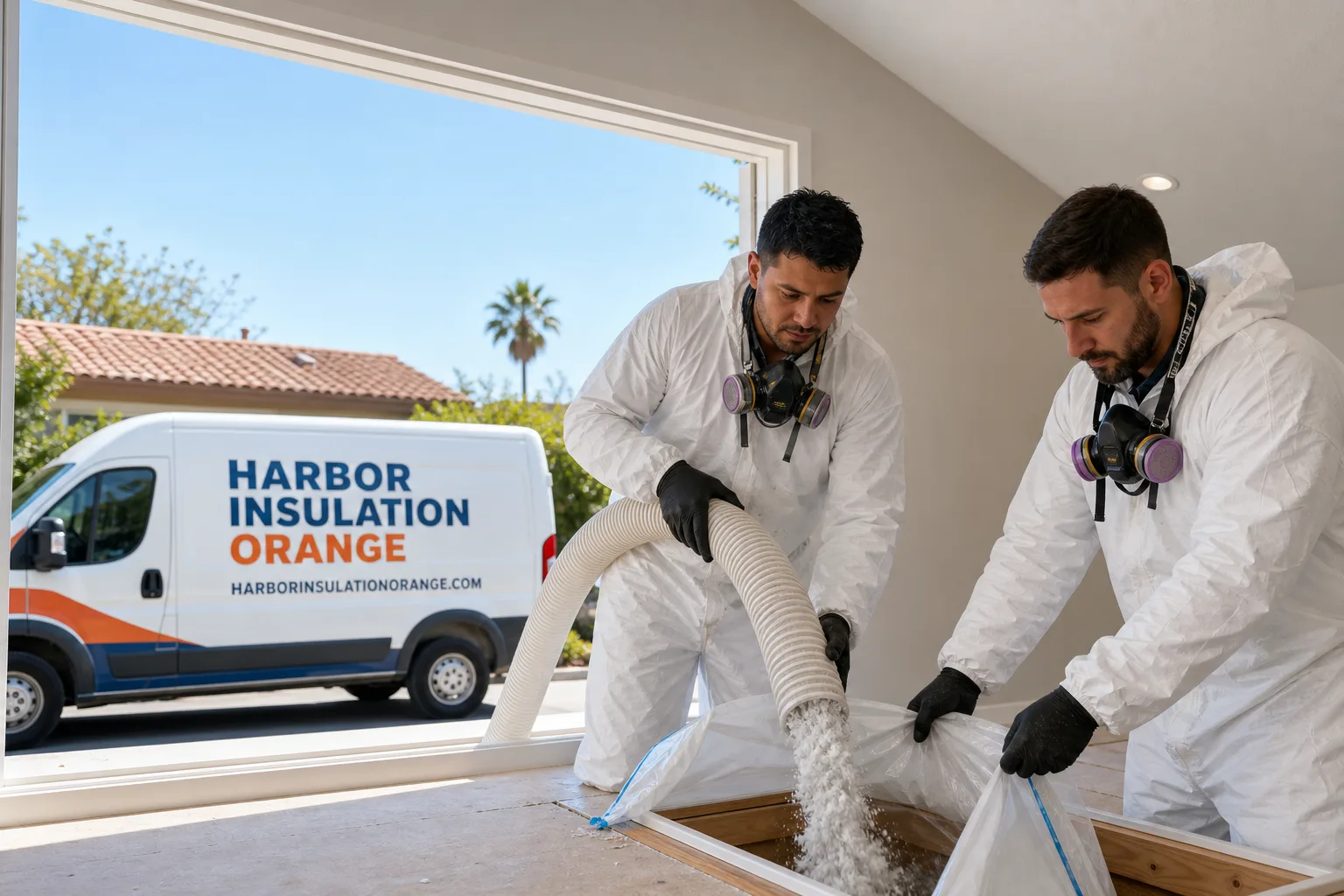
Fast, Reliable Crawl Space Encapsulation & Vapor Barrier Across Placentia
Crawl space encapsulation in Placentia typically runs $4,500–$12,000 depending on square footage, access clearance, and how far gone the existing vapor barrier is. We handle the full job: removing degraded polyethylene, sealing foundation vents, installing reinforced 10-mil or 12-mil barrier, insulating stem walls, and conditioning the space so moisture stops wicking into your floor framing. Most Placentia jobs take two to three working days from tear-out to final inspection. Call (657) 530-5638 for a free on-site assessment and a written quote before you commit to anything.
We know Placentia’s housing stock inside out because we’ve crawled through it. The single-story and split-level tracts off Yorba Linda Boulevard, the aging 1920s bungalows near the Bradford Avenue historic corridor, the developments backing up to the 91 and 57 freeways: each has its own failure pattern. Most share one thing in common. The original crawlspace work, if any existed at all, was never built for Placentia’s inland heat and Santa Ana wind pressure. We fix that.
Why Harbor Insulation Orange Is Placentia’s Preferred Crawl Space Encapsulation & Vapor Barrier Company
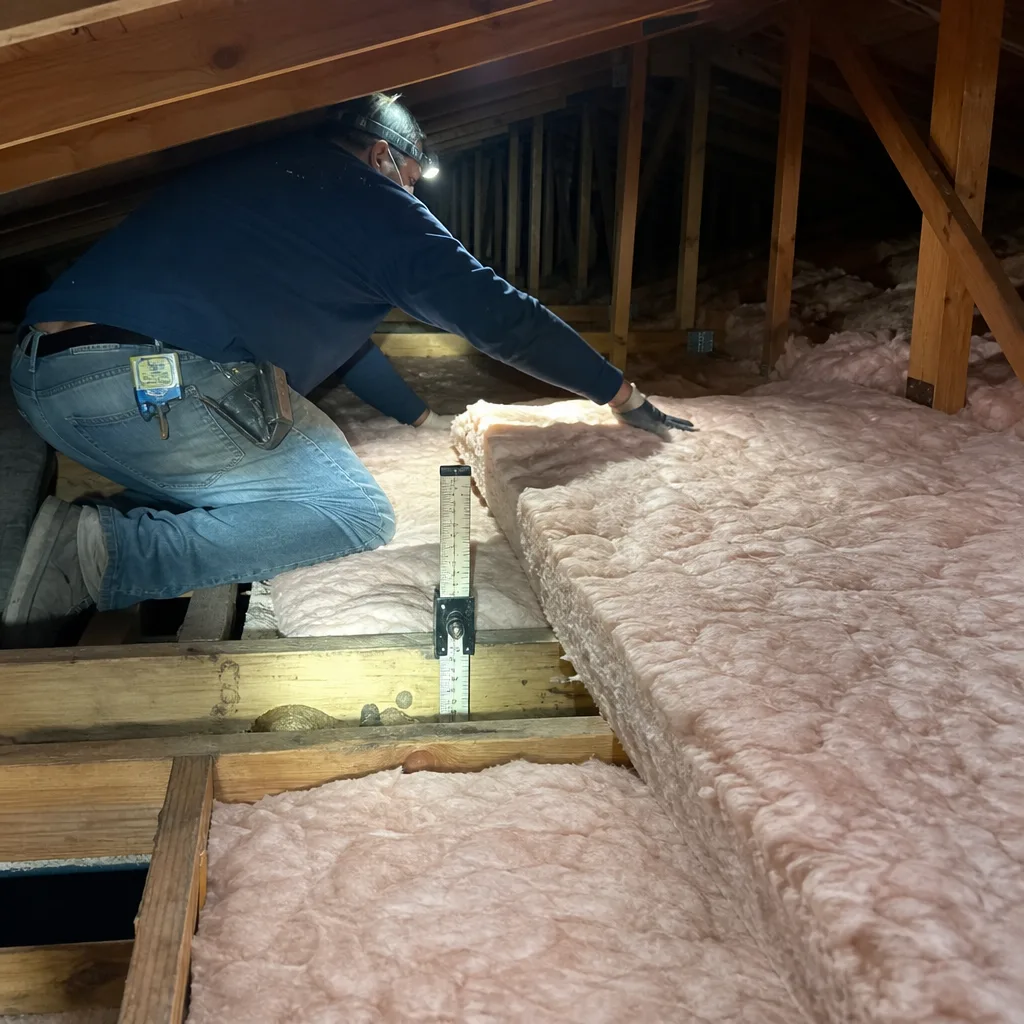
Noel Ibarra owns Harbor Insulation Orange, and Noel is the one under your house doing the work. Not a rotating crew. Not a subcontracted installer who’s never been to Placentia before. The person who quotes your job is the person who crawls through your foundation vents, scrapes out degraded poly, and tapes every seam. That accountability matters when you’re spending five figures on a crawlspace you’ll never think about again once it’s sealed.
We work with Owens Corning, Johns Manville, and Knauf barrier and insulation products because Placentia’s inland conditions demand materials with real performance data behind them. Thin bargain-poly fails within a few years here. Santa Ana events flex older building envelopes and pressure differentials pull moisture-laden air under homes at rates far higher than coastal-adjacent Buena Park just five miles west. We spec barriers and insulation that hold up to that specific local stress.
Our Placentia customers call us after finding musty odors in split-level hallways, sagging floor insulation in 1970s tracts, or mushrooms growing on rim joists. We’ve fixed enough of those crawlspaces to know the failure signature before we open the access hatch. That diagnostic head start means less guesswork, fewer wasted hours, and an honest scope of work from day one.
Our Crawl Space Encapsulation & Vapor Barrier Services in Placentia
Crawl Space Vapor Barrier
Most Placentia homes built between 1960 and 1985 have either no vapor barrier left or a 6-mil sheet that’s brittle and torn. We remove the failed material, prep the soil, and install a reinforced 10-mil or 12-mil barrier with taped seams and mechanical attachment at stem walls and piers. The difference in underside humidity is measurable within 48 to 72 hours.
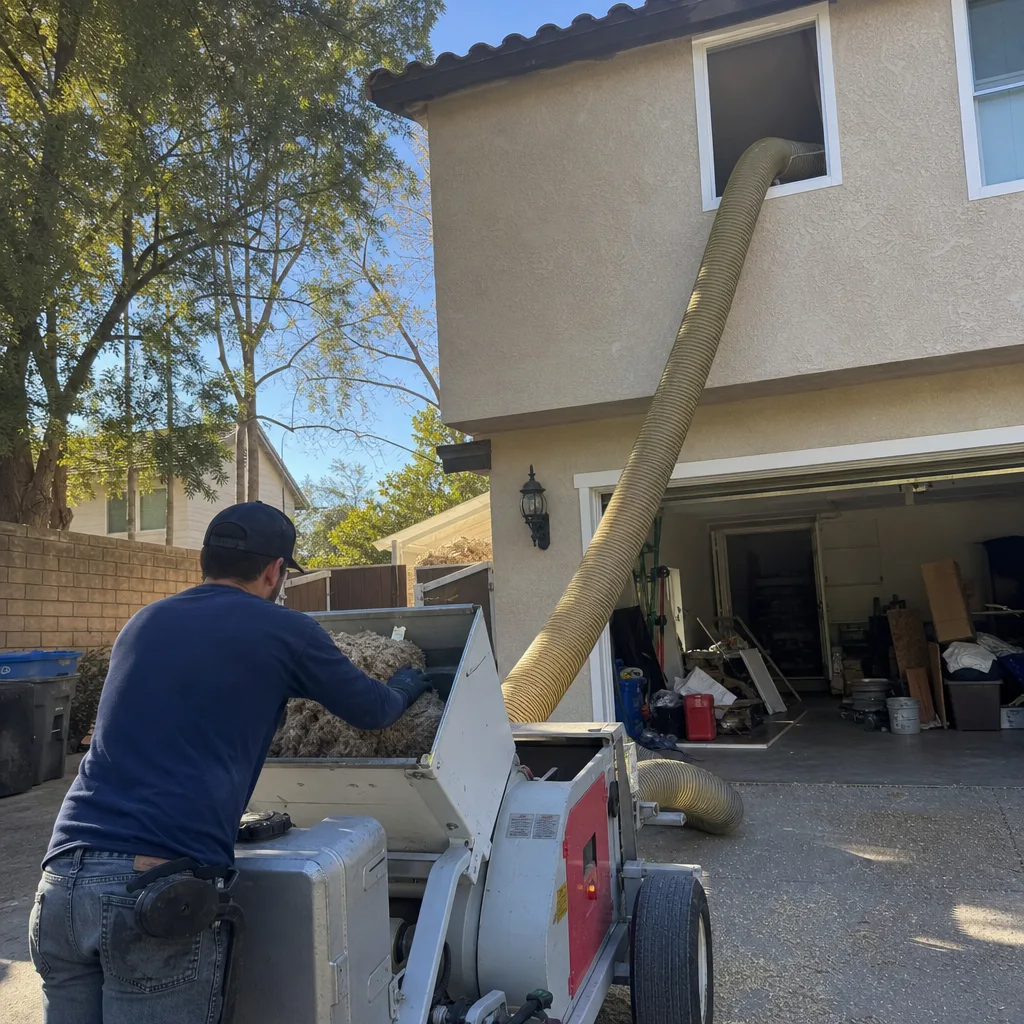
Crawl Space Encapsulation
Full encapsulation in Placentia means more than laying plastic on dirt. We seal foundation vents, insulate stem walls with closed-cell foam board or spray foam, seal rim-joist penetrations, and install a barrier that locks ground moisture out of the home entirely. For Placentia’s 1960s–1970s tract homes with low clearances and unvented framing, this is usually the only permanent fix. We do it all in-house, start to finish.
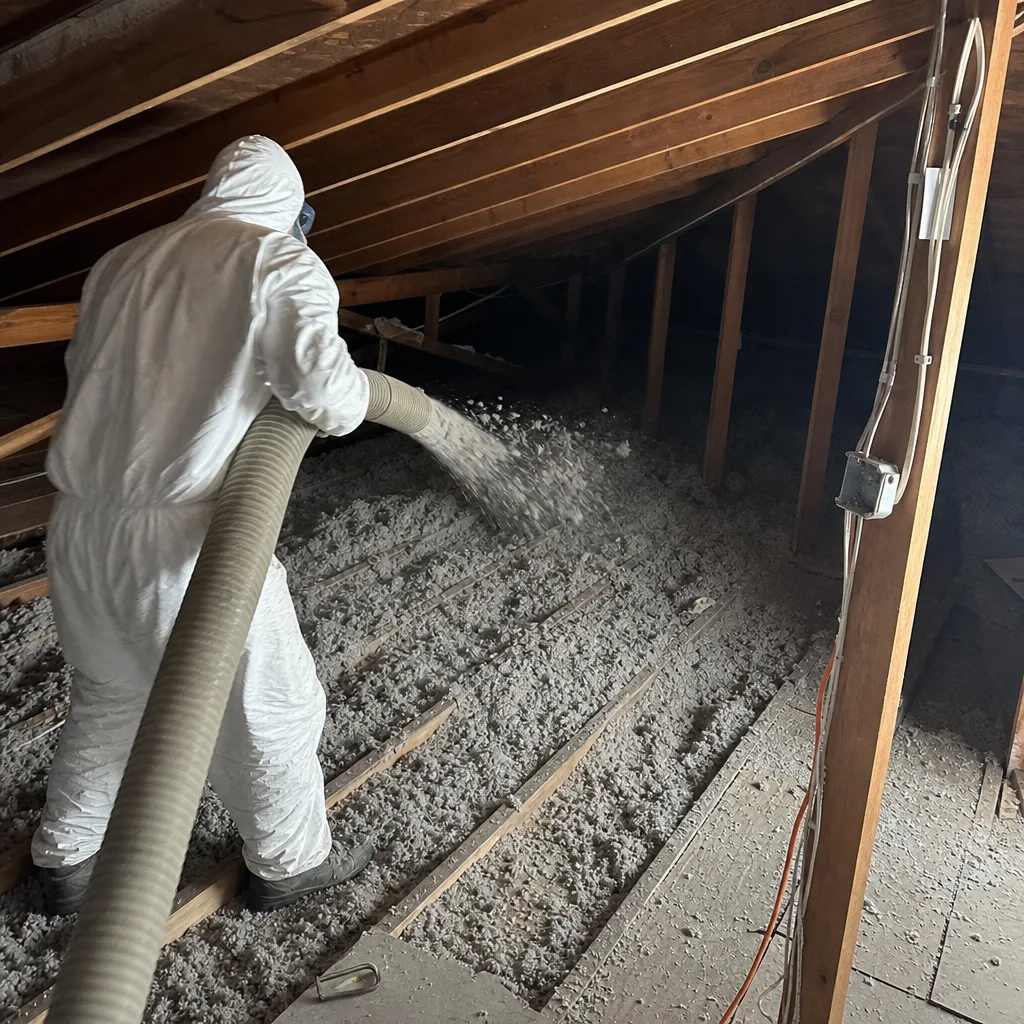
Crawl Space Insulation
In Placentia, what’s under your floor matters as much as what’s in your attic. Your crawlspace soil stays cooler than the summer air, which sounds good until you realize that cool damp soil under a hot floor creates condensation on fiberglass batts installed in the 1970s. We remove failed batts and reinstall with Johns Manville or Knauf products rated for below-floor use, paired with the encapsulation work so they stay dry and effective for decades.
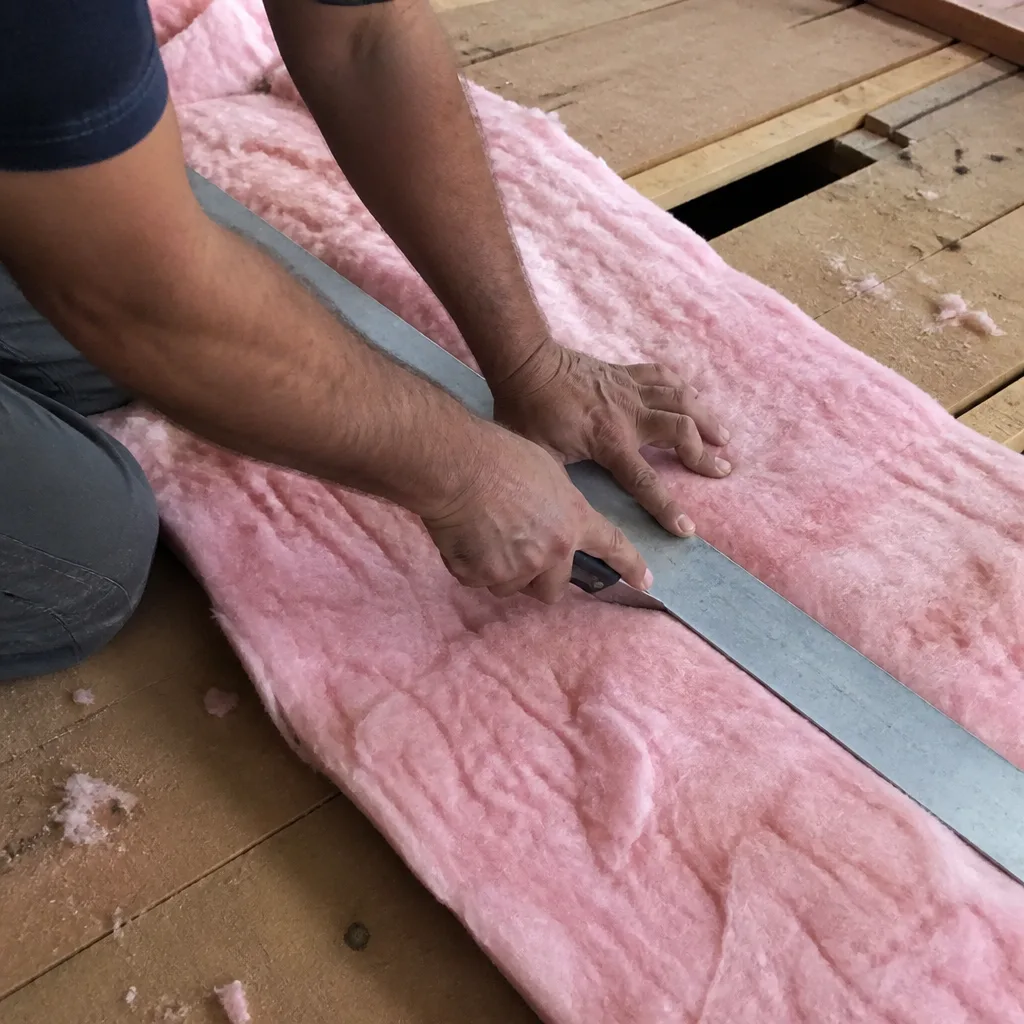
Crawl Space Moisture Control
Placentia’s inland valley position means summer temperatures regularly hit 95–100°F while Santa Ana winds drive air pressure against the building shell. When that pressurized air pushes into an unsealed crawlspace through foundation vents and utility penetrations, it carries moisture with it. We treat this as a system problem, not a spot fix: seal the intrusion points, control the soil moisture source, and verify results with moisture meters before we call the job done.
What happens when you call
- 1
A real person answersNo phone trees — you reach a local pro.
- 2
You get an upfront price rangeHonest numbers before anyone is dispatched.
- 3
A background-checked tech heads outLicensed & insured, dispatched right away.
- 4
You approve before work beginsNothing starts until you say go.
Trusted Brands We Service in Placentia
We stock and install Owens Corning, Johns Manville, and Knauf products for Placentia jobs. Why these three for crawlspace work? Owens Corning makes the reinforced 10-mil barrier we’ve seen hold up under Placentia’s specific Santa Ana pressure cycles. Johns Manville and Knauf offer below-floor insulation that doesn’t sag, crumble, or wick moisture from the soil underneath. We’re not married to a single brand. We pick the product that matches the condition of your crawlspace, and we carry enough stock to avoid week-long waits on material for most standard-size Placentia homes.
Common Crawl Space Encapsulation & Vapor Barrier Problems We See in Placentia Homes
- Original polyethylene vapor barriers disintegrated along stem wall edges. In 1970s tract builds across Placentia, the original 6-mil sheet was never mechanically fastened. It shrank, split, and let ground moisture wick directly into rim joists. We see rot and fungal growth at the sill plate on nearly half the 1970s splits we open.
- Unsealed foundation vents pumping moist air during Santa Ana events. Placentia’s position near the Carbon Canyon corridor means Santa Ana winds pressurize the building envelope and force air through every open vent. That air condenses on the underside of cool floor framing. We seal those vents as part of encapsulation and control the moisture at the source.
- Failed fiberglass floor batts from 1960s construction. Near Bradford Avenue and the older tracts north of Chapman, original fiberglass batts have compressed, settled, and in many cases been soaked by condensation from the moisture cycle above. We remove and replace them rather than sealing them in and hoping for the best.
- Attic heat pushing down into crawlspaces through utility penetrations. Low-pitched dark-shingle rooflines that define mid-century Placentia tracts drive attic temperatures above 150°F during heat events. That hot air moves down through unsealed wall cavities and into the crawlspace, accelerating musty odors and making your HVAC work harder. Air sealing the penetrations is part of every crawlspace job we do here.
Pricing for Crawl Space Encapsulation & Vapor Barrier in Placentia, CA
Here’s what Placentia homeowners should expect to pay in 2026:
- Crawl space vapor barrier replacement (basic): $2,800–$5,500 for a standard 1,000–1,500 sq ft tract crawlspace with existing access and limited debris removal.
- Full crawl space encapsulation: $5,500–$12,000 depending on clearance, number of foundation vents to seal, stem wall insulation requirements, and whether we’re also handling rodent exclusion or cleanup.
- Crawl space insulation removal and reinstall: $3,000–$6,500 for homes where original fiberglass batts need to come out before encapsulation can begin.
- Moisture control system addition (dehumidifier or sump if needed): $1,800–$4,200 for Placentia homes where local groundwater or drainage issues require mechanical moisture management.
Factors that move your Placentia quote include access clearance (some of the 1920s–1940s bungalows near Bradford Avenue have dirt crawlspaces less than 24 inches high), existing rodent damage to framing, and whether prior homeowners attempted a DIY barrier that now needs removal. Every quote from us includes a written scope of work with material brands named upfront. Call (657) 530-5638 and we’ll walk your crawlspace with you, moisture meter in hand, and show you exactly what’s failing before we recommend a single product.
We Also Serve Cities Near Placentia
Based in Orange, we run crews to Placentia weekly and also serve Crawl Space Encapsulation & Vapor Barrier customers in Yorba Linda, Brea, Villa Park, and Orange. If you’re in a neighboring city and want the same diagnostic-first, owner-installed approach, call us. We’ll schedule you in the next available slot.
Serving Placentia, CA — Our Local Coverage Area
We’re based in the Placentia area and know this community well. Use the map below to see our service coverage — if you’re nearby, we can almost certainly help.
FAQs — Crawl Space Encapsulation & Vapor Barrier in Placentia
Because Placentia’s inland position and Santa Ana wind cycles create a pressure differential that pulls moisture-laden air through unsealed foundation vents and cracks in the building shell. The original thin polyethylene barriers in those 1960s tract homes have typically degraded to shards, exposing bare earth that releases moisture into the air under your floor. Combined with warm air moving down from hot attics, you get condensation, mold, and rot without a single flood event. Call (657) 530-5638 for a moisture assessment if you’re seeing musty odors or condensation on ductwork.
In our experience with Placentia’s 1970s split-levels, a vapor barrier alone rarely solves the problem. The unsealed foundation vents and rim joist gaps in those homes keep letting moist air in, and Santa Ana pressure cycles push it deeper. Full encapsulation with vent sealing, stem wall insulation, and rim joist air sealing is what actually stabilizes the space. We’ll show you what your crawlspace needs with moisture readings before you spend anything.
Every two to three years after installation, and more often if you’ve had rodent activity or if your home sits near one of Placentia’s drainage channels. Rodents cut through even heavy barrier material, and Placentia’s specific combination of inland heat and wind-driven moisture means undetected tears turn into problems faster than you’d expect. We offer a follow-up inspection service for every Placentia customer on request.
Closed-cell spray foam or rigid foam board on the stem walls paired with a Johns Manville or Knauf below-floor batt if you’re keeping the floor joist bays insulated. For most 1970s homes in Placentia, we recommend moving the thermal boundary to the crawlspace walls and treating the space as a conditioned envelope rather than trying to insulate between damp joists. The right call depends on your specific floor framing and clearances. We’ll spec it on site, not over the phone from a catalog.
Yes, measurably. Placentia’s inland summer heat drives attic temperatures above 150°F, and that hot air migrates down through wall cavities and into the crawlspace, which then pulls more warm air in from outside through foundation vents. Sealing the crawlspace cuts that cycle. Customers we’ve worked with in Placentia’s 1960s–1970s tracts report lower daytime indoor temperature swings and reduced cooling runtimes, though the exact savings depend on your HVAC system and attic condition. We audit the full envelope before recommending any single upgrade, so you’re not guessing at ROI.
Contact Harbor Insulation Orange for Crawl Space Work in Placentia
If your Placentia home’s crawlspace shows any of the signs we’ve described here: musty odor, sagging insulation, condensation on ductwork, standing moisture on the dirt floor, or a vapor barrier that crumbles when you touch it, call (657) 530-5638. We’ll schedule a free assessment, crawl your space, take moisture readings, and give you a written scope and price. Noel Ibarra and the Harbor Insulation Orange team serve the entire Placentia area including homes near Golden Avenue, the 57 corridor, the tracts west of Kraemer, and the historic Bradford Avenue district.
Written by Noel Ibarra, Owner at Harbor Insulation Orange, serving Placentia and northern Orange County.