
Fast, Reliable Attic Insulation Across Placentia
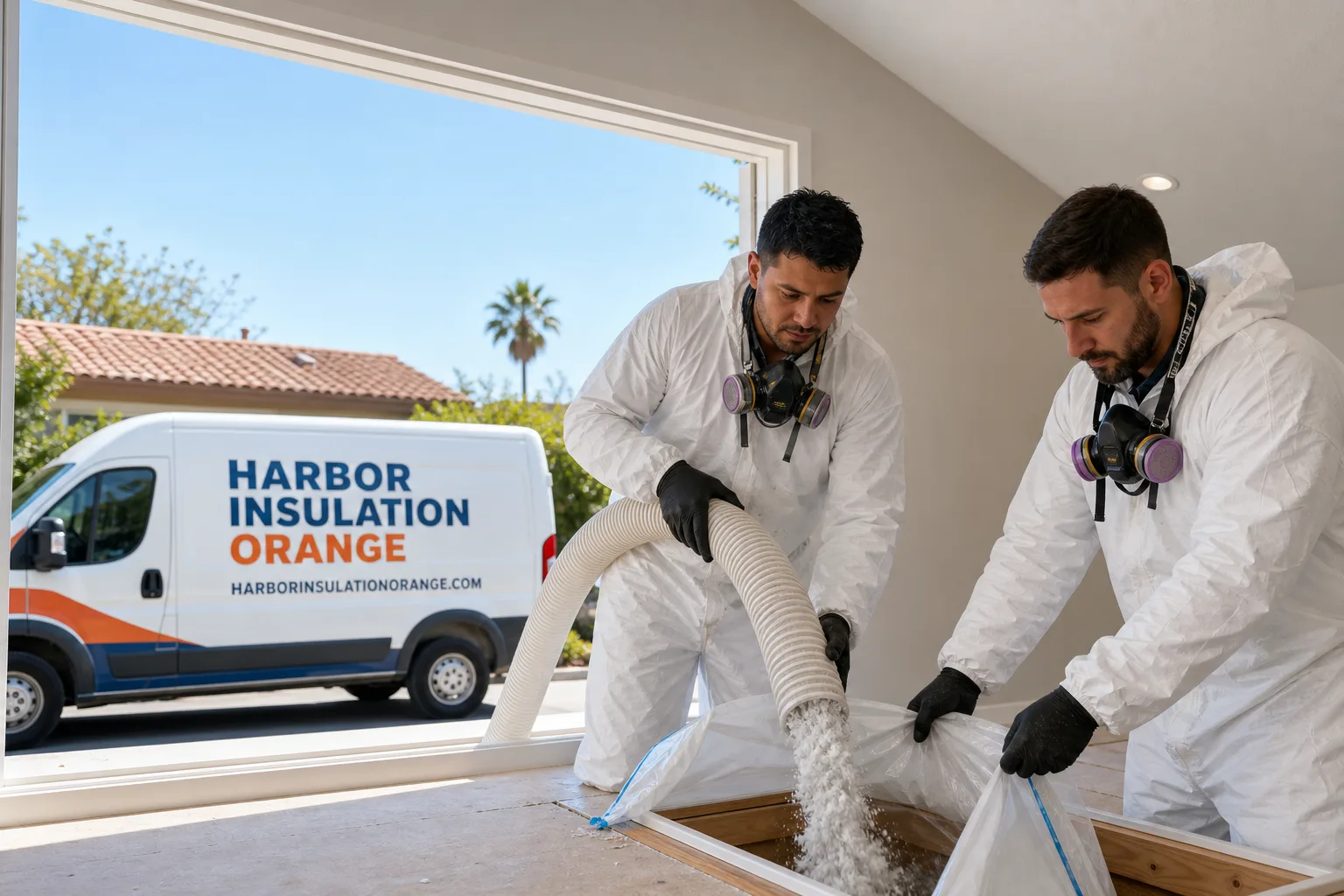
If your Placentia home has original attic insulation, it’s almost certainly underperforming. Homes built here between 1960 and 1985 typically shipped with R-11 to R-19 in the attic, and after 40 to 60 years of settling, compression, and Santa Ana wind pressure, most measure well below R-20 today. That’s why attic temperatures in Placentia tract homes routinely exceed 150°F during summer heat waves, and why upgrading insulation here delivers comfort and energy savings faster than in most Orange County cities. Noel Ibarra and our Attic Insulation team audit before we recommend, and the owner installs it every time. Call (657) 530-5638 for a free estimate anywhere in Placentia.
Why Harbor Insulation Orange Is Placentia’s Preferred Attic Insulation Company
Placentia’s housing stock has a specific problem: it was built for a coastal climate it doesn’t actually have. The city sits far enough inland that marine layer tempering burns off by late morning, leaving 95°F to 100°F afternoons cooking low-pitch composition roofs from Alta Vista to the tracts off Yorba Linda Boulevard. We’ve crawled through enough of these attics to know exactly what we’re going to find before we open the hatch: compacted fiberglass or cellulose, dark shingles radiating heat downward, and ceiling planes that read 120°F plus on an infrared gun by 2 p.m.
Noel performs every installation personally. When we quote a job in Placentia, the same person who did the energy audit is the one pulling the hose and running the baffles. That means no subcontractor roulette, no crew that got a five-minute briefing in the driveway. We show up with the right material for your home’s specific situation, whether that’s GreenFiber blown-in cellulose for an open attic, Owens Corning batts for a tight access hatch, or rock wool where fire rating matters. We audit before we recommend, because guessing is how attics end up under-insulated twice.
Our Attic Insulation Services in Placentia
Blown-In Attic Insulation
For most Placentia attics, blown-in fiberglass or cellulose is the workhorse. Loose fill settles into every irregular cavity around trusses, junction boxes, and recessed light housings without leaving the gaps batts create. In Placentia’s 1960s tracts, we typically blow to R-38 or R-44, which means removing nothing and covering everything evenly. The existing compacted material can often stay in place as a base layer. We top it off with fresh material and the ceiling plane stops behaving like a radiant heater.
Attic Batt Insulation
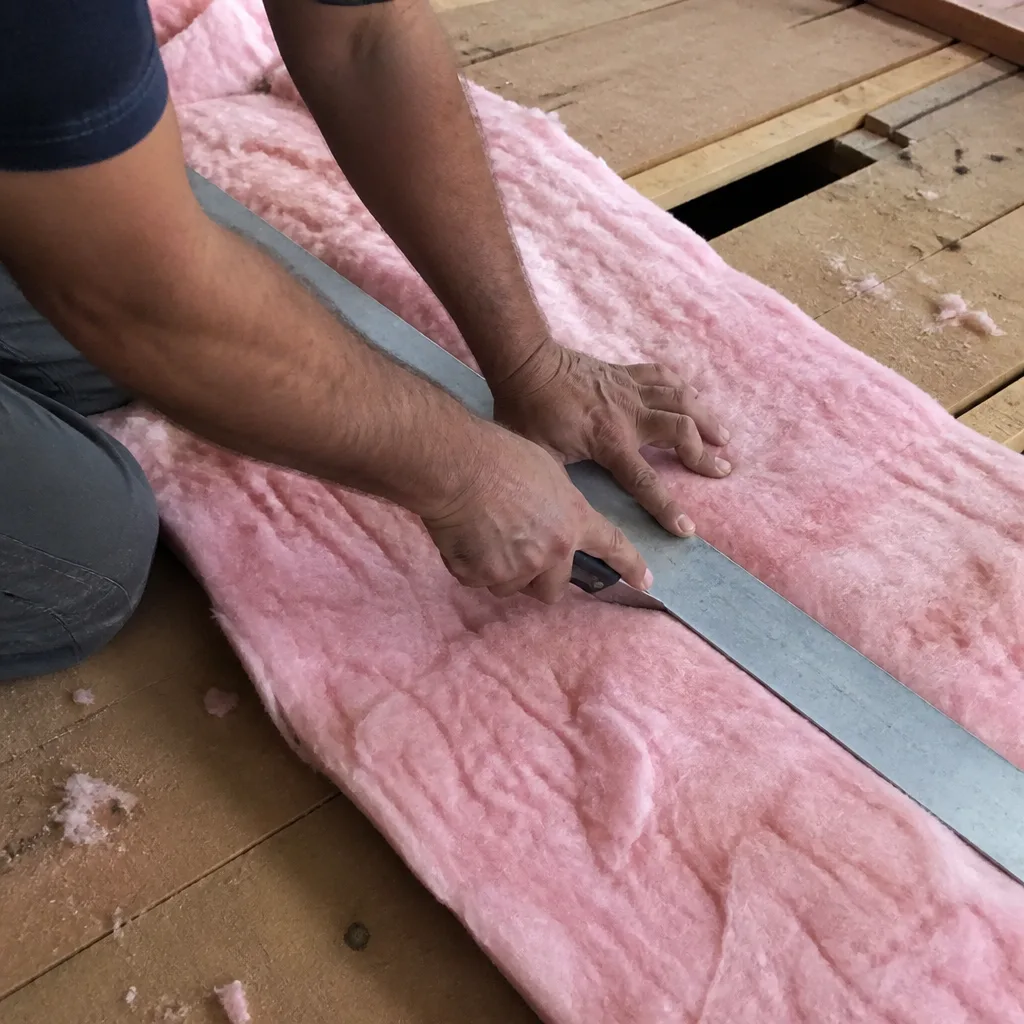
Batt insulation earns its keep in Placentia attics where access is too tight for a blowing machine or where we need clean, layered coverage around a retrofit. Batt jobs here are usually part of a larger air sealing project: we seal the top plates, install baffles, then lay Owens Corning or Johns Manville batts in a two-layer crosshatch so the seams never line up. That double layer matters more in Placentia than on the coast, because Santa Ana pressure pushes conditioned air through any seam that’s left exposed.
Attic Insulation Top-Up
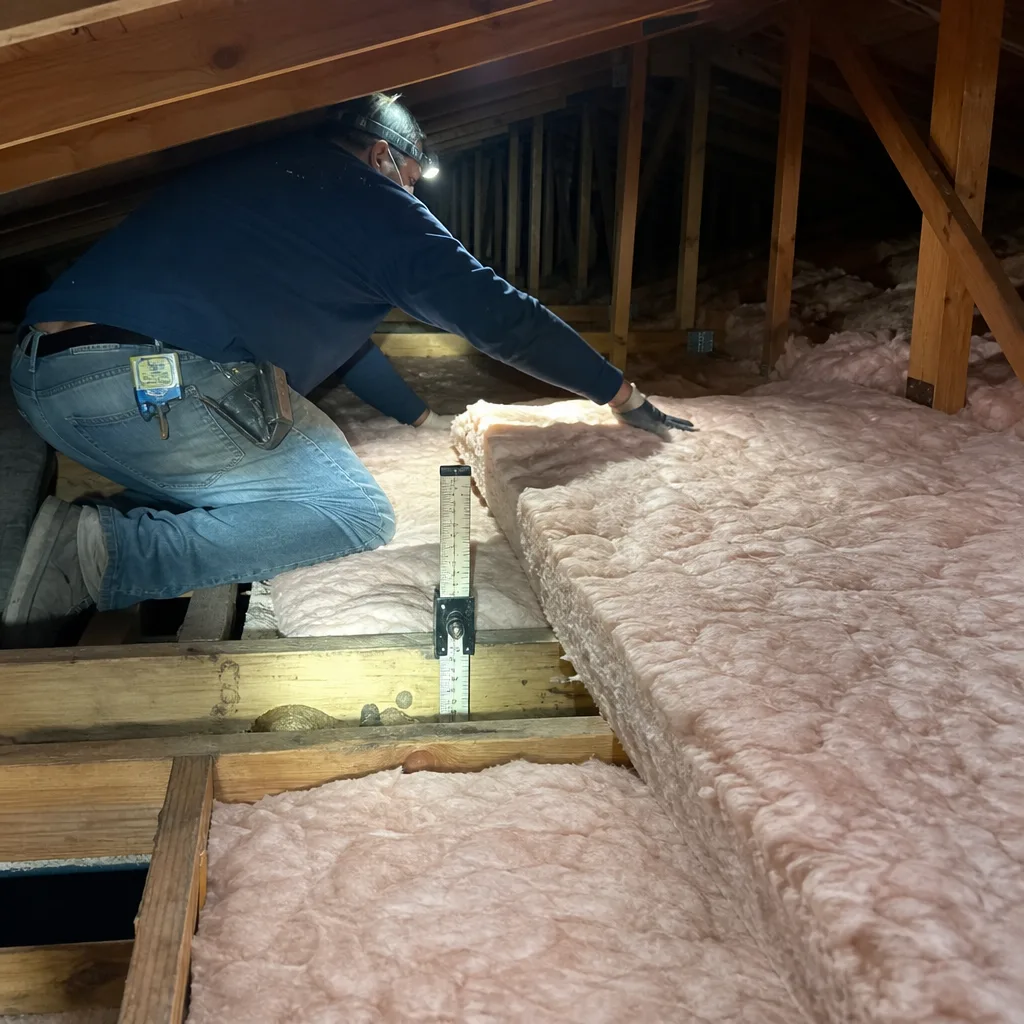
Placentia homes with “some” insulation are often the most expensive to cool. Original blown cellulose from the 1970s compacts to under R-20 within two decades, and the homeowners have no idea because nobody’s looked in the attic since the last roof replacement. A top-up brings the attic back to current code depth without disturbing the existing material. That’s the fastest, most cost-effective fix we perform in Placentia, and it usually takes one day. The difference in upstairs bedroom temperature is immediate.
Attic Insulation Replacement
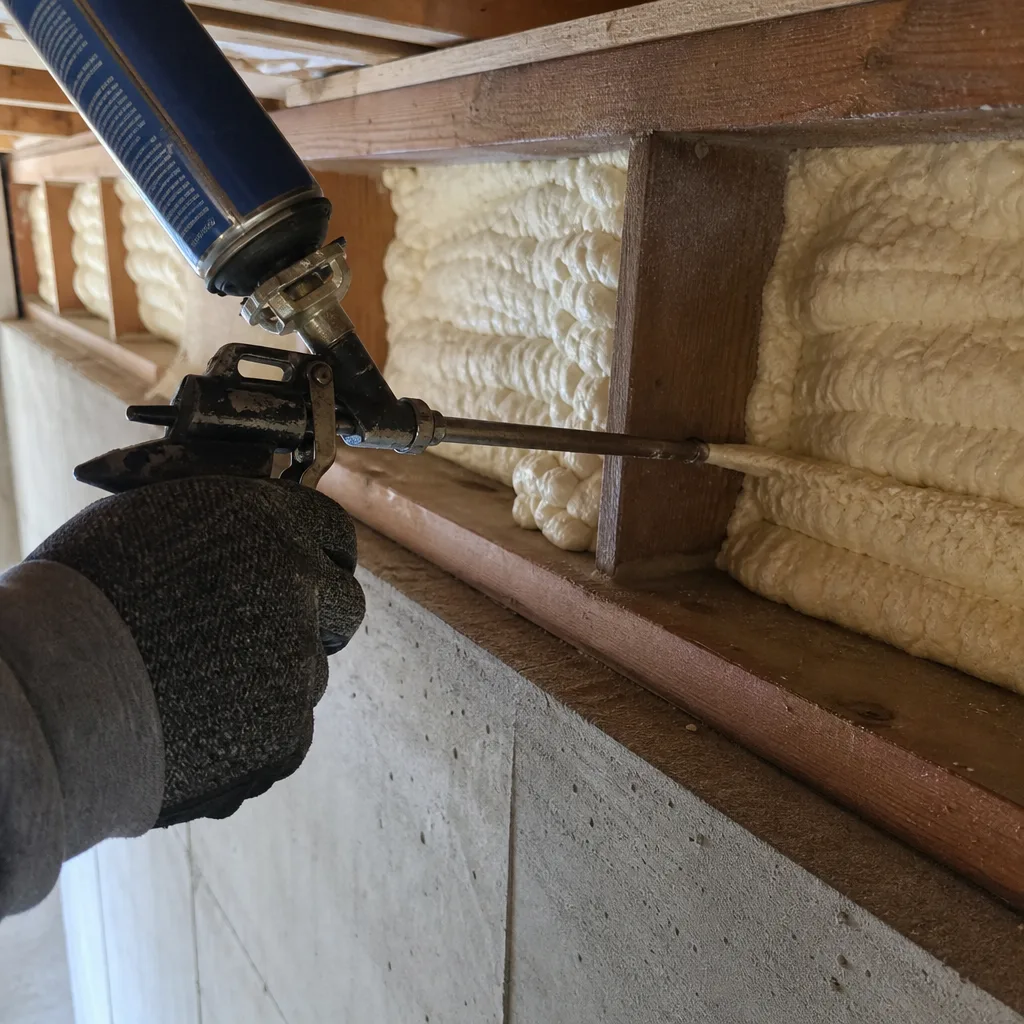
Sometimes the existing material has to go. We see it in Placentia after roof leaks, rodent activity, or decades of Santa Ana dust infiltration that’s turned fiberglass into a compressed, dirty filter. Replacement means vacuuming out the old material, inspecting the ceiling plane for air leaks, sealing what we find, and reinstalling to a verified R-value. It’s more work, but it’s the only way to reclaim an attic that’s been compromised. From removal to reinstall, we handle the full job, not just the easy part.
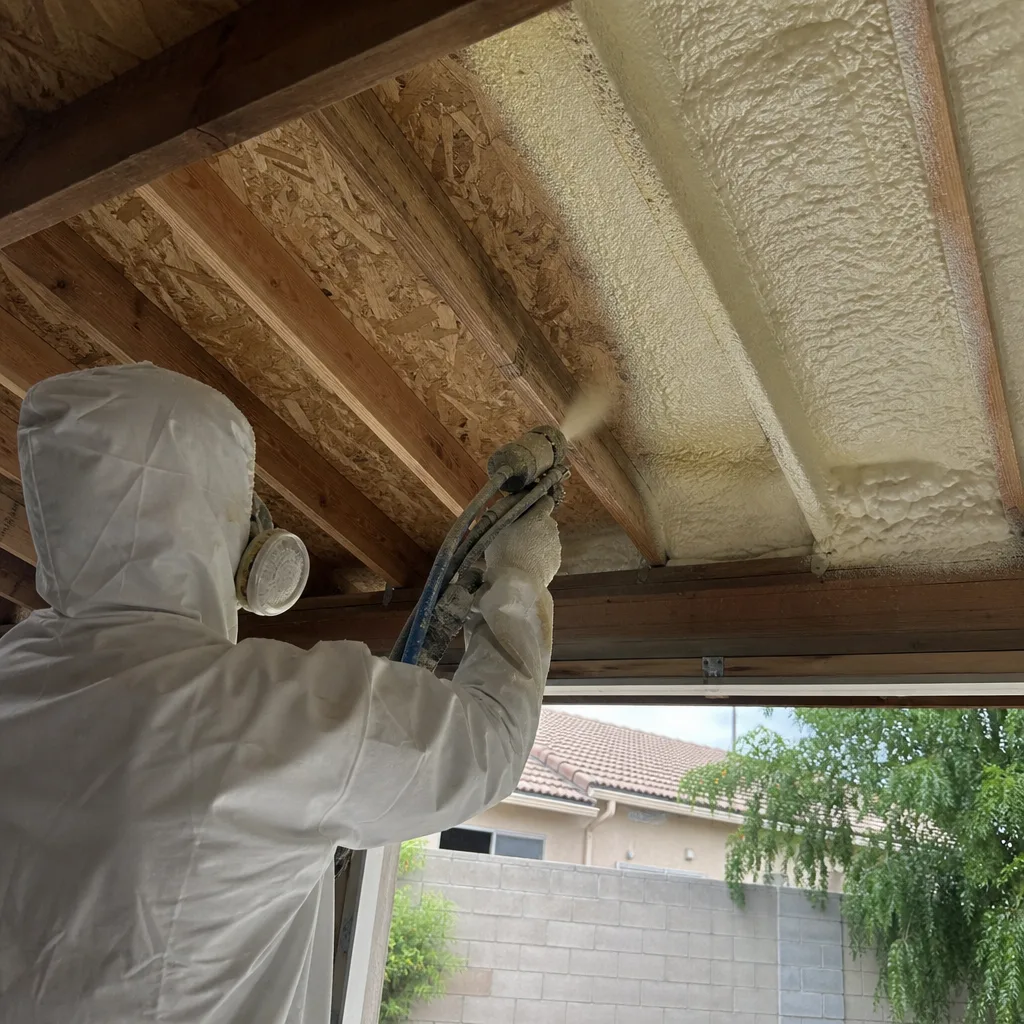
Attic Baffles & Ventilation Prep
Placentia’s aging tract homes often have no soffit venting to speak of, or the vents exist but are buried under decades of blown-in material. Baffles create a protected air channel from the soffit to the ridge or gable, so the attic actually breathes. Without them, heat gets trapped and insulation R-value degrades far faster than its rated lifespan. We install baffles on nearly every Placentia retrofit because the difference in summer attic temperature is measurable 20°F to 30°F on a 100°F day.
What happens when you call
- 1
A real person answersNo phone trees — you reach a local pro.
- 2
You get an upfront price rangeHonest numbers before anyone is dispatched.
- 3
A background-checked tech heads outLicensed & insured, dispatched right away.
- 4
You approve before work beginsNothing starts until you say go.
Trusted Brands We Service in Placentia
We stock and install materials from Owens Corning, Johns Manville, Knauf, and GreenFiber, which means the product that goes into your Placentia attic is chosen for how your home actually behaves, not what’s left in the warehouse. If you’ve got a dark composition roof with minimal venting, we’re not going to sell you the same product we’d put in a shaded Yorba Linda hillside home. The right material for the right situation, installed by one person who knows both.
Common Attic Insulation Problems We See in Placentia Homes
- Compacted original insulation: Blown cellulose and fiberglass installed in the 1960s and 1970s settles. We regularly measure R-19 labeled attics at an actual R-9 to R-12 in Placentia. The label says one thing, the thermal performance says another, and the difference shows up on your August bill.
- Santa Ana wind pressurization: Unsealed top plates, can lights, and plumbing penetrations let wind-driven air push through the attic floor. The insulation becomes a filter instead of a barrier. We air-seal before we insulate because adding material on top of leaks just hides them.
- Heat-trapping low-pitch roofs: Placentia’s 1960s and 1970s tract homes were built with shallow rooflines and no ridge venting. Dark composition shingles absorb heat all afternoon with nowhere to exhaust it, baking insulation past its useful life within 20 years. Attic temperatures we measure here on 100°F days run 150°F to 165°F, which accelerates R-value degradation and makes upstairs rooms miserable.
- Uninsulated 1920s-1940s bungalows: The craftsman homes near the Bradford Avenue historic corridor often have no original wall or ceiling insulation at all. They need a different retrofit sequence than the tracts, usually starting with air sealing and blown-in retrofit rather than simple top-ups.
Pricing for Attic Insulation in Placentia, CA
What you pay depends on the square footage of the attic, the target R-value, and whether we’re topping up or doing a full removal and replacement. For a typical 1,200 to 1,800 square foot Placentia tract home, here’s what we typically see:
| Service | Typical Placentia Range |
|---|---|
| Attic insulation top-up to R-38 | $1,100 – $2,400 |
| Full blown-in attic insulation (removal + reinstall) | $2,800 – $5,500 |
| Attic batt insulation retrofit | $2,200 – $4,000 |
| Attic air sealing (before insulation) | $800 – $1,800 |
| Attic baffles & ventilation prep | $400 – $900 |
Those ranges reflect the size and access difficulty common in Placentia’s older tracts. A one-story ranch off Bastanchury Road runs differently than a split-level off Rose Drive. We’ll give you an exact number after the audit. Estimates are free. Call (657) 530-5638 and Noel will walk the attic with you, not just email a number.
We Also Serve Cities Near Placentia
Harbor Insulation Orange serves all of Placentia and surrounding north Orange County, including Yorba Linda, Brea, Villa Park, and Orange. If you’re a few miles out and seeing the same 150°F attic temps, the same fix applies. We know these neighborhoods and we know what their builders put in.
Why Your Placentia Attic Runs Hotter Than Buena Park’s
Placentia’s inland position means it loses most marine tempering by midday in summer. The same Santa Ana wind events that cool Buena Park by pushing through coastal gaps turn into something different here: the Carbon Canyon corridor channels those winds directly east into Placentia, pressurizing aging building envelopes and driving unconditioned air through every seam in the ceiling plane. That makes attic insulation two to three times more impactful on comfort and energy bills in Placentia than in coastal-adjacent Orange County cities, not as a bonus, but because the home is actively working against whatever you had in the attic originally.
In the Alta Vista tract near Bradford Avenue, our crew pulled back a hatch to find original 1965 fiberglass batts compacted to a measured R-9 in a low-pitch, dark-shingle roof with no ridge vent. We air-sealed the ceiling plane, installed baffles along the soffits, and blew in Owens Corning AttiCat to a verified R-38. The west-facing bedrooms dropped 12°F during the next Santa Ana heat event. That’s not a product claim, that’s what happened. We measure before and after on every Placentia retrofit because the numbers tell the story better than we can.
That’s the playbook for Placentia’s 1960s and 1970s tract homes: seal first, ventilate second, insulate last. It’s a different retrofit sequence than what works in newer construction a mile away in Yorba Linda’s hillside developments, and it’s the difference between an attic that finally stops fighting the air conditioner and one that just got a fresh layer of fiberglass on top of the same old problems.
Serving Placentia, CA — Our Local Coverage Area
We’re based in the Placentia area and know this community well. Use the map below to see our service coverage — if you’re nearby, we can almost certainly help.
FAQs — Attic Insulation in Placentia
Because the original blown cellulose or fiberglass has compacted to well under R-20, even if the original label said R-30 or R-38. Placentia homes from the 1960s were insulated to standards that assumed coastal-adjacent cooling loads, and after 40 to 60 years of settling plus 150°F attic heat cycles, most measure R-9 to R-15. A top-up brings the effective R-value back to current code depth without a full replacement, and it’s the single highest-ROI attic job we do in Placentia. Call (657) 530-5638 and we’ll measure what you actually have, not what the label says.
They turn air leaks into a pressure problem. When Santa Ana winds hit Placentia from the northeast, they pressurize the building envelope and push unconditioned air through unsealed top plates, can lights, and plumbing penetrations. That moving air bypasses the insulation entirely, so the material itself becomes nearly irrelevant. That’s why we air-seal before we add or replace insulation in Placentia. Adding insulation on top of leaks is like wearing a down jacket with the zipper open in a windstorm.
Yes. The 1920s to 1940s bungalows along the Bradford Avenue historic corridor often have no original wall insulation and minimal or nonexistent attic insulation. The retrofit sequence starts with air sealing the ceiling plane, then blown-in retrofits through access hatches or interior walls, rather than top-ups. These homes also tend to have smaller attics and tighter access, so we often use a different material and install method than we would on a 1970s tract home a few blocks away.
On a 100°F day in Placentia, expect attic temperatures between 150°F and 165°F in older tract homes with dark composition shingles and no ridge venting. The low-pitch rooflines hold heat all afternoon with nowhere to exhaust it. That heat conducts through the ceiling plane, even with insulation present. After a proper air-seal, baffle, and R-38 to R-44 retrofit, we typically see attic temps drop 20°F to 30°F and ceiling surface temps drop even more, which is what actually makes the upstairs rooms comfortable.
Yes, and it’s the smartest time to do it. When the roof is off in Placentia, we can access the attic plane from above, install ventilation correctly, seal penetrations, and run baffles without working around a finished ceiling. It also lets us address old insulation that’s been exposed to heat and moisture cycling for decades. The marginal cost of doing it during a roof project is lower, and the result is better. We coordinate with Placentia roofing crews regularly, and we’ll give you a free quote before your tear-off starts. Call (657) 530-5638.
Written by Noel Ibarra, Owner at Harbor Insulation Orange, serving Placentia and north Orange County.